 While no actual human being develops in the precise sequence of a child development chart, new parents quickly learn that children do go through dramatic stages. Like other skills, becoming self-reliant takes time and can only develop through real time.
To begin with, parents often track all the “firsts” that a child achieves on a daily basis but as the list grows longer we come to expect changes. The way that most young children acquire language and skills is so rapid that later—even when parents are getting a little more sleep—it becomes difficult to remain excited about each previous new word or action! However, there is one stage that most parents don’t forget and that’s when a child starts declaring, “I can do it myself.” All of a sudden, totally dependent infants morph into adamant creatures with distinct needs and wants. This exasperating but essential stage is filled with cute moments when children seem to hover between babyhood and childhood. But it can also be a difficult time for some parents if they fear that their child may not need them any longer.
 As children mature, they continue to develop and require more experiences where they can make independent choices without parents. If parents don’t allow children to make decisions and do things on their own, they won’t develop confidence or realize that they are not just extensions of their caregivers. It’s a tricky line that parents walk! Sometimes giving children room to spread their wings seems counter intuitive, but in order to grow into a self-reliant adult, children need to struggle without the offer of a quick fix. Even when parents can take care of things, the better choice is to support a child through the process of working through and solving problems. Long after a problem has been forgotten, a self-reliant child will remember hearing, “Wow! You amaze me! You really worked hard to figure that out.”
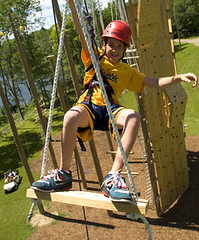 A child who is self-reliant can think for themselves, trusts their own judgment and feels in control of their life. This leads to becoming more active, independent and competent adults and citizens. The child also develops skills to draw on inner resources and use coping mechanisms even when they feel things are not easy. Sending a child to camp is a perfect way for a child to further develop self-reliance in a nurturing, safe and supportive environment. The whole camp experience is designed to illustrate to the camper that becoming a successful person takes personal strength as well as playing a role in a larger group–with the emphasis always on FUN. I can’t think of a more wonderful childhood experience for facilitating such important life skills!
Of course, the process of becoming self-reliant is not easy, but that’s where camp staff and counselors are there to help your child adjust and learn. If you wonder how to help your child develop self-reliance, remember that each child comes to conclusions for themselves, so the only way to experience camp is to be a camper. They are building on early determination to “do it themselves,” and those first fierce moments of independence are precious. Camp offers a full range of fun, adventure, and opportunities to experience emotions with different adults and in new, safe situations. By the end of summer camp, campers bring a lot of stuff home. There’ll be great crafts, stories to tell and some inevitable laundry to wash—but every camper in the world—also brings home a new understanding of themselves.
How did you learn self-reliance at summer camp and what strategies helped you support your independence? Which experiences do you think especially helped kids develop inner strengths? We look forward to your stories too!
Deborah-Eve

Thanks for the image AmberStrocel.