Category: Uncategorized

A Whale of a Lesson

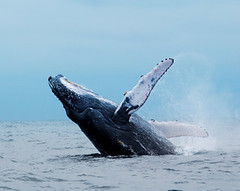
Have you ever heard of Humphrey the Humpback Whale? Before our campers (and many of our staff) were born, Humphrey’s odyssey held our nation’s attention for many, many days.

Humphrey, as his name suggests, is a humpback whale. Getting turned around one day chasing plankton or following a misguided hunch, Humphrey found himself in San Francisco Bay. A few days later, he was in the Sacramento River. If you are trying to get to Sacramento, it’s a great plan. Just not it if you are whale.

Rescuers and researchers tried everything they could think of to stop Humphrey’s progress up the river. He escaped traps, ignored the pleading, and continued his meander up river all the while showing signs of physical distress and confusion. Thankfully, one researcher had a great idea.
With the help of the US Navy and a local boat owner, Dr. Bernie Krause started sending out whale calls through the water. (If you’ve not heard them, they are really interesting!) Within no time at all, Humphrey appeared. The astounded rescuers had called to Humphrey and he came to them!

Taking the boat with its whale calls down river, Dr. Krause and his team led Humphrey out to the San Francisco Bay and then to the Pacific. It was a great rescue that captivated the nation that actually advanced science. We found out it takes a whale to speak to another whale.

That’s a lesson camp teaches every day. In this age of video games and iPhones, PSP’s and tweets, we mustn’t forget one of our most basic requirements: It takes people to speak to other people.

Great camps surround children with great mentors and develop a community in which everyone is valued and cared for. At Weequahic, finding and training the best staff possible is, along with safety, our most important priority. The more interested, exciting, patient, and prepared a staff, the more likely it is for our campers to have an extraordinary experience. This, I might add, also provides the staff with an incredible experience as well!

If you know of someone interested in joining a community of people who want to provide an extraordinary experience for campers, please ask them to apply here. We’d be thrilled to speak with them!

Hat tip to Chuck Hodges (and Humphrey) for the story.

Cole Kelly, Camp Director
Growing Up Global

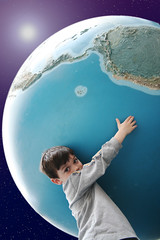
As parents, we often hear predictions about the necessity for our children to prepare for a new and “global” world. While some people explain that the roots for global interactions were planted centuries ago, current electronic and transportation technologies make people across the globe even more connected and interdependent. So how can we prepare our children and give them experiences to help them become globally literate?

Of course, travel is an obvious way to help children increase their cultural currency, but going to camp also helps foster global thinking and skills in specific ways. Summer camp is a place where children from around the world and different parts of the United States connect with each other, build lifelong friendships, try new things and practice living together. At Camp Weequahic for example, campers have recently travelled from France, Spain, Switzerland and Venezuela to join in the fun. On average, about 5% of campers come from outside the United States but wherever your child departs from, they can benefit from the diverse mix of kids at camp. They can practice a language and will definitely learn about different customs with daily interaction and time to soak it all in. Most importantly, they will learn how to respectfully engage with people with different views, who may not approach everything the same way.

In her book, Growing Up Global:Raising Children to Be At Home in the World, Homa Sabet Tavangar says that the first step towards developing a global outlook requires “embracing the mind-set to make a friend and be a good friend.” Making friends means practicing universal qualities like empathy and respect, and building lasting friendships at camp is a huge part of the total experience. Counselors and staff are trained and at the ready to help campers grow in this area, build new skills when necessary and model caring for others. Tavangar explains that versions of the Golden Rule, or “treat others as you wish to be treated,” permeate all cultures and faith traditions and elaborates on these in her book. When children embrace the universal values of caring for each other, they employ humility, curiosity and compassion which then leads to making true friends—and that’s what makes a world citizen.

So, wherever we go in the world, it’s the experience of breaking down the elements of diverse cultures and seeing what makes them similar or distinct, that prepares us for relating to each other. For kids, a baby step towards negotiating new cultures can be overcoming the fear of new foods or being away from home at camp where things are “different”—after all, every camp, and each year, has it’s own special character or culture. For example, many campers bond over the issue of learning to like new foods and it’s that kind of experience that prepares children for the future.

Growing up global is not just about preparing to do business in the world economy. It’s about having the comfort and desire to connect with the Kenyan dad who coaches a local soccer team, a Turkish neighbor with distinct fashion style or an American who expects consistent electrical power! Ultimately it’s about being curious about differences instead of afraid of them and valuing making friends with the diverse people we meet. Psychologists link friendship to an individual’s health and ultimately to the ability to survive—so friendships are key to feeling at home in our individual skins as well as feeling at home on our planet.

Our experiences at summer camp are a key component in raising globally aware and confident children. The friendships and lessons learned at camp will last long after camping season ends as campers continue to expand their horizons, stay connected with friends across time and geography and find their life’s passions. How do you plan to raise global kids and make camp a part of their preparation? Have you read Growing Up Global or used any of Tavangar’s suggestions? We’d love to hear how camp contributed to defining your world view!

Deborah-Eve

Thanks for the images Horia Varlan and woodleywonderworks.

Gratitude – A Weequahic Core Value

It certainly is a good time to thinking about gratitude. Two days before Thanksgiving, we are now planning our trip to the grandparent’s house, making our list of yearly ‘thankfuls’, and looking forward to spending some extra time with those most important to us. Thankfully, even the media gets into the action as well.

I just finished a great article on gratitude which you can find here. Kate and I always felt feelings of gratitude lead to a happier, more productive life. It’s nice to see science catching up with us!

Gratitude is so important that I end each day with our boys at camp asking them about their two favorite things from that day. Our Head Counselor or Kate does the same on the girl’s side. We center our first campfire around gratitude. (Here is a great poem I’ve found for the occasion.) We also have a longstanding tradition of our sport teams thanking their coaches, refs, and drivers in front of the whole camp, win, lose, or draw.

Researchers believe feelings of gratitude are 50% genetic. The remainder is learned. We focus on teaching our campers to be thankful for their many blessings (and make it fun in the process!)

At this thankful time of year, I challenge each of you to make a list of people and experiences for which you are grateful. Happiness is colored most effectively and durably from these two categories. Further, I challenge you to start your own gratefulness habit: Each evening, before you fall asleep, find two things you are happy about from the day. Write them down or say them out loud. It’s a great way to end the day.

As for Weequahic, we are thankful for:

  • The vision of our founder, Art Lustig, in creating the traditions of Weequahic
  • The work of the Lustig and Seffer families for shepherding and adding to these traditions along the path
  • The incredible staff with whom we have the pleasure of working during the summer and throughout the year
  • Our supportive and thoughtful families who share their children with our community each summer, and
  • Campers from around the country and world who bring energy, excitement, friendship, and joy to us each and every day

Have a wonderful Thanksgiving everyone!

Cole Kelly, Camp Director